


Window Installation
FollowOverview
-
Founded Date April 20, 1919
-
Sectors Engineering
-
Posted Jobs 0
-
Viewed 93
Company Description
5 Laws Everybody In Professional Glazier Should Know
Understanding the Role of a Professional Glazier
Glaziers play an essential role in the building and construction and renovation markets, concentrating on setting up and repairing glass in a variety of structures, from residential homes to commercial buildings. With their expertise, glaziers contribute considerably to the looks, safety, and energy effectiveness of any residential or commercial property. This short article aims to supply a thorough overview of the profession, the skills required, and the various types of work they carry out.
What Does a Glazier Do?
A professional glazier is responsible for more than just installing glass. Their tasks can include numerous duties, including:
-
Measuring and Cutting Glass: Precision is paramount in this field. Glaziers need to take accurate measurements to make sure a best fit in windows, doors, and facades.
-
Setting up Glass: This includes securing glass panels using numerous approaches, such as adhesives or glazing substances.
-
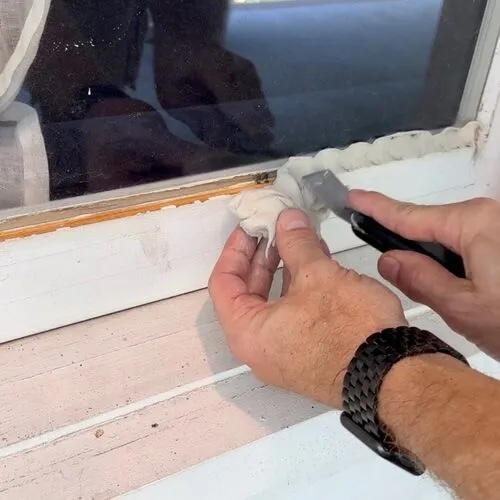
Fixing and Replacing Glass: Glaziers are often called upon to fix or replace broken or damaged glass, requiring them to get rid of the old glass thoroughly and put in a new panel.
-
Consultation and Design: Some glaziers also work together with designers and home builders, using design guidance concerning the glass products that best fit their job requires.
-
Energy Efficiency Enhancements: Modern glaziers are progressively associated with the installation of energy-efficient glazing systems that can decrease energy costs.
Here’s an extensive take a look at the primary jobs of a professional glazier:
| Task | Description |
|---|---|
| Measuring | Taking precise dimensions of openings for accurate fitting. |
| Cutting | Cutting glass panels according to the measurements taken. |
| Installation | Securing glass panels using various methods and tools. |
| Repair | Fixing or changing broken glass in buildings. |
| Consultation | Advising clients on the choice and style of glass products. |
Abilities Required for a Professional Glazier
Being a successful glazier requires a distinct set of abilities, consisting of both technical and soft skills:
-
Attention to Detail: Precision in measurements and installations is important for quality work.
-
Physical Strength and Stamina: The task frequently needs raising heavy materials and maneuvering in awkward positions.
-
Problem-Solving Skills: Glaziers often come across obstacles on-site that need quick thinking and efficient options.
-
Technical Skills: Proficient use of tools, devices, and computer programs for design and measurement.
-
Security Awareness: Understanding and adhering to safety protocols is necessary to avoid mishaps.
Training and Qualifications
While some glaziers may go into the field with minimal education, formal training is suggested. Lots of glaziers complete an apprenticeship program that offers practical experience. Typical paths consist of:
-
High School Diploma or Equivalent: Basic academic certifications are typically needed.
-
Apprenticeship: A combination of on-the-job training and classroom instruction, usually lasting 3-4 years.
-
Certification: Some states and regions provide licensure or accreditation programs that glaziers can pursue to enhance their credentials.
Types of Glazing Work
Glaziers can operate in various settings, performing tasks of different scales. Below are the essential types of glazing work:
-
Residential Glazing: Installing windows, doors, and mirrors in homes.
-
Commercial Glazing: Working on businesses, shopping mall, and office structures, frequently involving large setups.
-
Architectural Glazing: Installing glass facades and utilizing ingenious materials for a structure’s design.
-
Ornamental Glazing: Creating stained glass or elaborate styles for visual functions.
-
Car Glazing: Specializing in installing and repairing glass in lorries.
The Importance of a Professional Glazier
Hiring a qualified glazier is crucial for several factors:
-
Safety: Proper installation and repair mitigate risks of accidents at home or in commercial spaces.
-
Aesthetic Value: Skilled Glazier glaziers boost the visual appeal of a property through their specialized strategies.
-
Energy Efficiency: Expertly set up energy-efficient glass can considerably decrease heating & cooling costs.
-
Toughness and Longevity: Professional installation guarantees that glass products are installed correctly, increasing their lifespan.
Common Questions about Glaziers
Here are some often asked questions about the occupation to help clarify any misunderstandings:
Q1: What types of glass do glaziers work with?A1: Glaziers deal with numerous kinds of glass, including tempered, laminated, insulated, and ornamental glass. Each type has distinct properties suited for different applications.
Q2: How long does it require to become a professional glazier?A2: Becoming a certified glazier normally takes 3-4 years through an apprenticeship program, which combines both classroom learning and on-the-job training. Q3: Do glaziers need a license?A3: Licensing requirements differ by
region. It’s important for glaziers to check local guidelines to make sure compliance. Q4: What security devices do glaziers need?A4: Essential security equipment includes gloves, safety glasses, construction hats, and harnesses for raised work. Q5: Are glazier services expensive?A5: The expense of glazier services depends on elements such as job size, type of glass, and complexity of installation.It’s advisable to get multiple quotes for comparison. The occupation of a glazier is multifaceted, needing a blend of technical skills, imagination, and physical strength. Whether dealing with a little residential job or a big commercial installation, glaziers play an important function in enhancing the performance and visual appeals of buildings. As technology and style trends progress, glaziers must adjust and continue establishing their abilities, ensuring they satisfy the demands of modern building and construction. Comprehending the work and credentials of a professional glazier can help property owners and contractors make notified choices, reinforcing the value of quality craftsmanship in the glazing industry.