

Treadmill Small
FollowOverview
-
Founded Date October 27, 1966
-
Sectors Construction
-
Posted Jobs 0
-
Viewed 15
Company Description
5 Lessons You Can Learn From Tread Mill
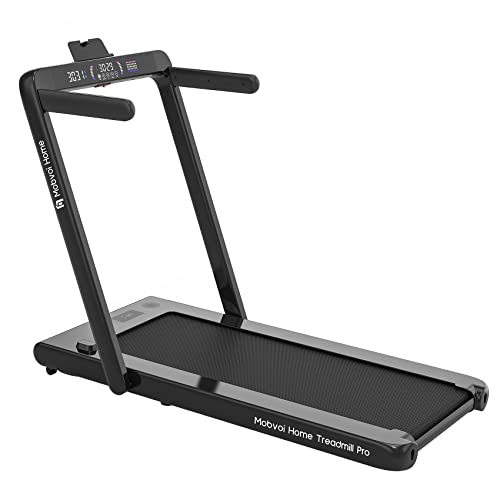
The Treadmill: A Comprehensive Guide to Understanding and Utilizing This Fitness Machine
Treadmills are a staple in fitness centers and homes alike, acting as a reliable tool for cardiovascular workout. With their versatility and variety of features, treadmills deal with users of all physical fitness levels. This short article dives into the ins and outs of treadmills– covering their benefits, types, usage tips, maintenance, and a lot more.
The Benefits of Using a Treadmill
Making use of a treadmill can supply numerous health advantages, making it a popular option amongst fitness enthusiasts. Below are some crucial benefits:

-
Cardiovascular Health: Regular treadmill usage can enhance heart health by increasing aerobic capacity and cardiovascular endurance.
-
Weight Management: Treadmills make it possible for users to burn calories effectively, assisting in weight loss or management.
-
Convenience: With the ability to exercise inside your home, treadmills get rid of environmental barriers, like weather and time constraints.
-
Adaptability: Users can control speed, slope, and exercise period, permitting them to customize their workout routine to fit their requirements.
-
Joint Impact: Many contemporary treadmills provide cushioning, which can minimize the effect on joints compared to working on tough surfaces.
This detailed guide takes a look at the various types of treadmills and what features to think about when purchasing one.
Types of Treadmills
Selecting the best kind of treadmill depends on individual physical fitness goals, budget plan, and offered area. Here are the various ranges:
1. Manual Treadmills
- Meaning: These treadmills run without motors; users power the belt through their motions.
- Advantages: Typically more inexpensive and energy-efficient.
- Drawbacks: Limited features and less stability compared to motorized options.
2. Motorized Treadmills
- Definition: Equipped with motors to control belt speed and slope.
- Advantages: Versatile features like preset programs and digital display screens.
- Downsides: More pricey and need electrical outlets.
3. Folding Treadmills
- Meaning: Treadmills that can be collapsed to save area when not in usage.
- Advantages: Ideal for those with minimal area.
- Downsides: May not be as durable, depending upon the model.
4. Business Treadmills
- Meaning: High-quality, heavy-duty machines designed for frequent usage in health clubs.
- Advantages: Built to withstand extensive exercises with features matched for diverse training requirements.
- Downsides: Generally more costly and larger.
5. Smart Treadmills
- Definition: Treadmills geared up with wise innovation that tracks exercises and provides virtual training.
- Advantages: Interactive functions enhance the user experience.
- Drawbacks: Higher expenses and potential for technical problems.
Functions to Consider When Buying a Treadmill
When acquiring a treadmill, it’s important to evaluate its features according to personal requirements and budget. Necessary functions include:
-
Motor Power: Measured in horse power (HP); a motor in between 2.0– 3.0 HP appropriates for a lot of users.
-
Running Surface: The belt size need to accommodate your stride. A surface of at least 20″ x 55″ is usually suggested.
-
Slope Options: Look for a treadmill offering different incline levels to simulate outdoor running and increase exercise intensity.
-
Weight Capacity: Ensure the treadmill can support the user’s weight; most can accommodate weights in between 250 lbs and 400 pounds.
-
Cushioning: Good quality cushioning impacts walking or running convenience and can help prevent injuries.
-
Foldability: If area is a concern, think about a treadmill that can be folded.
-
Innovation: Features like heart rate monitors, exercise programs, and Bluetooth connectivity can enhance the user experience.
Table: Key Features and Considerations
| Feature | Importance |
|---|---|
| Motor Power | Important for consistent efficiency and user weight capacity. |
| Running Surface | Impacts user comfort and stride length; larger surfaces are better for taller people. |
| Incline Options | Enables diverse exercises and targets different muscle groups. |
| Weight Capacity | Critical for security and durability; select a model that supports your weight. |
| Cushioning | Lowers joint impact and makes exercises more comfortable. |
| Foldability | Crucial for users with minimal space. |
| Technology | Enhances exercise experience and can use important tracking information. |
Tips for Effective Treadmill Workouts
To take full advantage of the benefits of utilizing a treadmill, think about the following suggestions:
-
Warm-Up and Cool-Down: Always begin with a 5-10 minute warm-up and surface with a cool-down to prevent injury.
-
Vary Your Workouts: Mix walking, jogging, and going to keep things fascinating and work various muscle groups.
-
Include Incline: Use incline settings to challenge yourself and increase calorie burn.
-
Stay Hydrated: Keep water nearby to remain hydrated during your exercises.
-
Listen to Your Body: Pay attention to any discomfort or tiredness; rest when necessary.
Treadmill Maintenance Tips
To make sure longevity and optimal efficiency of a treadmill, regular upkeep is vital. Key upkeep practices consist of:
-
Lubrication: Frequently oil the running belt for smoother operation.
-
Cleaning up: Wipe down the machine after each usage to avoid dust and sweat accumulation.
-
Tightening: Regularly check and tighten up loose bolts or screws.
-
Examine the Belt Alignment: Ensure the belt is lined up appropriately, adjusting as required for even use.
Often Asked Questions (FAQs)
1. How often should I utilize a treadmill for weight loss?
Utilizing a treadmill for at least 150 minutes of moderate-intensity aerobic exercise weekly can add to weight reduction.
2. Can I walk on a treadmill every day?
Yes, walking on a treadmill daily can be helpful; however, integrating day of rest is suggested to avoid overuse injuries.
3. What should I use when using a treadmill?
Choose comfortable, moisture-wicking clothing and supportive footwear to enhance your exercise experience.
4. Is it much better to walk or run on a treadmill?
Both walking and running offer special advantages; the very best option depends on your fitness level, objectives, and individual preference.
5. Exist specific treadmills designed for small areas?
Yes, folding treadmills and compact designs are ideal for small areas. Constantly examine measurements before purchasing.
The Treadmill best remains a flexible and widely used piece of fitness equipment. Its blend of convenience, flexibility, and effectiveness makes it appropriate for users ranging from novices to skilled professional athletes. By comprehending the different types and features, as well as integrating varied workouts, users can make the most of the advantages of their treadmill routine. Whether for cardiovascular training, weight loss, or just preserving an active way of life, treadmills provide a reliable avenue for attaining physical fitness goals.