

Folding Treadmills Uk
FollowOverview
-
Founded Date October 1, 1941
-
Sectors Media & Entertainment
-
Posted Jobs 0
-
Viewed 13
Company Description
Where Can You Find The Best Treadmills Information?
Understanding Treadmills: Types, Benefits, and Considerations
Treadmills have actually become an integral part of physical fitness culture, offering a convenient solution for individuals looking for to improve their cardiovascular fitness without the need for outside areas or weather considerations. With a selection of features and designs readily available, potential buyers should be knowledgeable to make the best choice. This article intends to offer a detailed overview of treadmills, including the different types, benefits, and factors to think about when buying one.
The Different Types of Treadmills
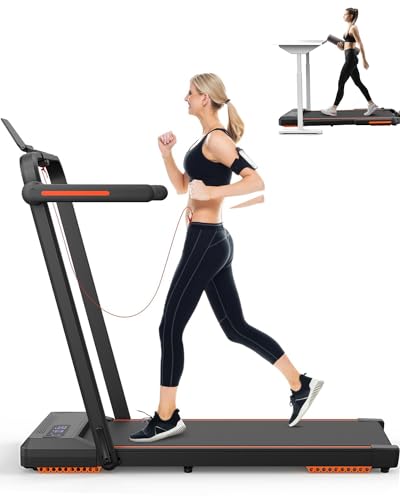
1. Handbook Treadmills
Manual treadmills are powered by the user instead of an electric motor. They require no electricity and usually feature a simple style with fewer moving parts.
Benefits of Manual Treadmills:
- Cost-effective
- Portable and light-weight
- No reliance on electrical power
Disadvantages:
- Limited features
- Normally do not have slope alternatives
2. Motorized Treadmills
Motorized treadmills are the most typical type, powered by an electric motor. They usually use various functions such as programmable exercise regimens, adjustable slopes, and higher weight capacities.
Advantages of Motorized Treadmills:
- Smooth operation and constant traction
- Versatile with innovative functions for diverse workouts
- Choices for incline and decline settings
Disadvantages:
- Higher expense compared to manual treadmills
- Require electrical power and may increase electric expenses
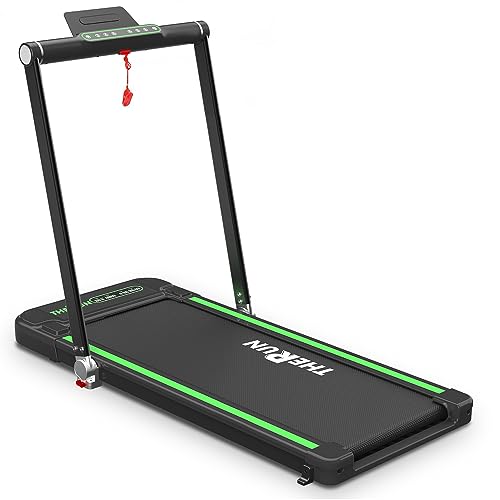
3. Folding Treadmills
Folding treadmills are created for simple storage, making them ideal for those with restricted space.
Advantages of Folding Treadmills:
- Space-saving design
- Easy to transport and keep
- Suitable for home usage where area is at a premium
Downsides:
- Typically might have a smaller running surface area
- Weight limit might be lower than non-folding designs
4. Industrial Treadmills
These treadmills are built for resilience and efficiency, generally found in gyms and gym. They are developed for high use rates and included innovative functions.
Advantages of Commercial Treadmills:
- Extremely long lasting and frequently supported by service warranties
- Complete range of features, including innovative training programs
- Appropriate for sturdy workouts
Downsides:
- Higher rate point
- May be too large or heavy for home use
| Kind of Treadmill | Power Source | Common Features | Perfect For |
|---|---|---|---|
| Handbook Treadmill | None | Standard exercise metrics | Minimalist users |
| Motorized Treadmill | Electric | Programmable workouts, incline alternatives | General physical fitness enthusiasts |
| Folding Treadmill | Electric | Space-saving design | Home users with restricted Space Saving treadmill |
| Commercial Treadmill | Electric | Advanced training programs | Gym facilities |
Benefits of Using a Treadmill
Treadmills offer various advantages for people seeking to improve their physical fitness levels or maintain an athletic regimen.
1. Convenience
Owning a treadmill permits users to exercise at their own schedule, removing dependence on climate condition. It offers versatility, as workouts can take place day or night.
2. Customizable Workouts
Many modern-day treadmills feature adjustable programs to accommodate newbies and seasoned athletes. Users can adjust speed, slope, and workout period to take full advantage of the efficiency of their sessions.
3. Tracking Progress
A lot of treadmills come equipped with digital screens that tape-record crucial stats such as distance, speed, calories burned, and heart rate. Monitoring this data helps users track their physical fitness development over time.
4. Decreased Impact
Treadmills frequently offer a cushioned surface area that can minimize joint effect compared to operating on difficult outdoor surfaces, making them an appropriate alternative for people with joint issues or those recuperating from injuries.
5. Variety of Workouts
Users can take part in different exercises on a treadmill, from walking and running to interval training and speed work. Some machines even use built-in courses that replicate outside surfaces.
Considerations When Buying a Treadmill
When purchasing a treadmill, people should think about a number of aspects to ensure they make a notified choice.
1. Area Requirements
- Measure Available Space: Before picking a model, measure where the treadmill will be positioned to guarantee it fits comfortably.
- Think About Folding Options: If space is a concern, consider buying a folding treadmill for convenient storage.
2. User Weight and Height
- Check the weight capability of the treadmill to accommodate its intended users.
- Make sure that the belt length appropriates for users’ strides, particularly for taller individuals.
3. Functions and Technology
- Evaluate whether innovative functions like heart rate displays, Bluetooth connection, and built-in training programs are necessary for the desired user.
- Examine user-friendly interfaces and item reviews on screen quality.
4. Guarantee and Customer Support
- Review warranty alternatives to understand what is covered and for the length of time. Some models might provide extended guarantees or guarantees for parts.
- Assess the brand’s track record for client assistance in case of breakdowns or concerns.
5. Price Range
- Consider your spending plan but keep in mind that more affordable designs may lack features, toughness, or warranty assistance.
- Explore financing choices if purchasing a higher-end model.
Frequently asked questions About Treadmills
1. What is the average life expectancy of a treadmill?
Usually, a premium treadmill can last between 7 to 12 years, depending on usage, upkeep, and construct quality.
2. What is the best treadmill brand name?
Popular brand names consist of NordicTrack, Sole Fitness, Precor, and LifeSpan, each known for their quality and client satisfaction.
3. Can I utilize a treadmill for walking?
Yes, treadmills are best for walking, running, or running, making them flexible for users of all fitness levels.
4. How often should I service my treadmill?
Regular maintenance is usually recommended every six months to ensure optimal efficiency and longevity.
5. Is it fine to run on a treadmill every day?
While running on a treadmill daily is appropriate for some, it’s a good idea to integrate day of rest or alternate exercises to prevent possible overuse injuries.
In conclusion, treadmills remain a popular choice for physical fitness lovers trying to find flexibility and customizability in their exercise regimens. By understanding the numerous types offered, their benefits, and essential aspects to think about during purchase, users can make an educated decision that aligns with their physical fitness goals and way of lives.