

Exercise Bikes For Sale
FollowOverview
-
Founded Date April 13, 1915
-
Sectors Driver - Light
-
Posted Jobs 0
-
Viewed 22
Company Description
8 Tips To Enhance Your Exercise Bike Game
The Comprehensive Guide to Exercise Bikes: Benefits, Types, and Best Practices
Stationary bicycle have actually permeated the fitness industry, working as effective tools for cardiovascular exercises, rehab, and weight management. With their capability to duplicate outside biking experiences while supplying a controlled environment, exercise bikes accommodate users of all fitness levels. This article dives into the various kinds of exercise bikes, their benefits, and the very best practices to maximize your exercise session.
Benefits of Using an Exercise Bike
-
Cardiovascular Health: Regular usage of a stationary bicycle substantially improves cardiovascular fitness. It increases heart rate and blood flow, promoting much healthier lungs and heart.
-
Low Impact on Joints: Exercise bikes offer a low-impact workout alternative. Unlike running or jogging, cycling lessens tension on the knees, hips, and back, making it appropriate for individuals with joint discomfort or those recuperating from injuries.
-
Caloric Burn: An energetic cycling session can burn a significant number of calories, helping in weight loss and management. For example, a 155-pound person can burn roughly 260 calories in 30 minutes of energetic biking.
-
Muscle Strengthening: While mostly a cardiovascular exercise Cycle for home, cycling also reinforces and tones the muscles in the legs, glutes, and core. Changing the resistance can even more challenge the muscles.
-
Convenience: Exercise bikes offer unequaled benefit. Users can exercise in the comfort of their own homes, making it easier to maintain a constant fitness regimen.
-
Versatile Workouts: With exercise bikes, users can take part in various workout designs, from high-intensity interval training (HIIT) to steady-state cardio, accommodating divergent fitness goals.
Kinds Of Exercise Bikes
Understanding the different kinds of exercise bikes on the marketplace assists possible purchasers make notified choices based on their fitness requirements and budget.
| Kind Of Exercise Bike | Description | Perfect For |
|---|---|---|
| Upright Bike | Similar to standard bikes, these bikes provide a basic biking posture. | General fitness lovers |
| Recumbent Bike | Uses a reclined position with a bigger seat. | Individuals with back issues |
| Spin Bike | Designed for high-intensity cycling classes; usually geared up with a flywheel for resistance. | Fitness class participants |
| Air Bike | Combines arm and leg workouts; features a fan for cooling and increased resistance. | Professional athletes and HIIT enthusiasts |
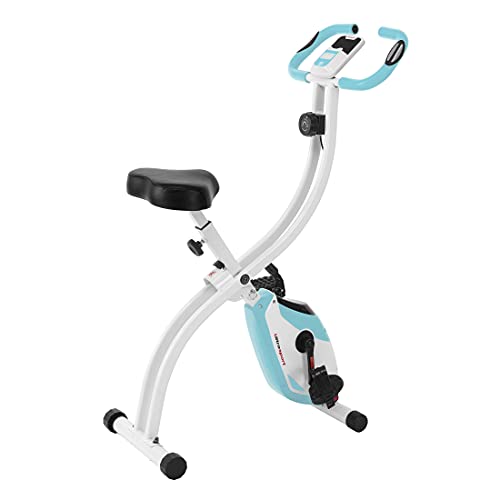
| Collapsible Bike | Compact and space-efficient; quickly kept when not in use. | Individuals with minimal space |
Table: Pros and Cons of Different Types of Exercise Bikes
| Type of Exercise Bike | Pros | Cons |
|---|---|---|
| Upright Bike | Compact, economical, versatile | Less comfortable for long trips |
| Recumbent Bike | Comfy, lower back support | Uses up more space |
| Spin Bike | Excellent for high-intensity workouts | Can be more pricey |
| Air Bike | Full-body workout, adjustable resistance | Can be noisy |
| Collapsible Bike | Space-saving, easy to save | May do not have toughness |
Finest Practices for Using an Exercise Bike
To optimize the advantages of exercising with a bike, users must follow specific standards:
-
Proper Setup: Ensure that the seat height and handlebar position are properly adapted to fit your body. An incorrect fit can lead to injury and pain.
-
Warm-Up: Always take 5-10 minutes to warm up before diving into an exercise. This helps to prepare your muscles and joints for the activity.
-
Stay Hydrated: Keep a water bottle close by. Hydration is crucial to keeping stamina and performance during the workout.
-
Preserve Correct Posture: Keep your back directly and core engaged while cycling. Prevent leaning too far forward or slumping as it can result in pressure.
-
Mix Up Workouts: Variety is vital for preventing plateaus and keeping workouts amazing. Alternate between steady-state sessions and interval training.
-
Listen to Your Body: Always pay attention to how your body feels during and after workouts. Adjust intensity levels as necessary to avoid overexertion.
Frequently Asked Questions (FAQs)
Q1: How often should I use an exercise bike to see results?A1: For ideal outcomes, go for a minimum of 150 minutes of moderate-intensity cardio or 75 minutes of high-intensity cardio each week.
Q2: Can anyone use a stationary bicycle?A2: Yes, exercise bikes appropriate for all fitness levels. However, people with particular health issues must speak with a doctor or fitness professional before starting a brand-new exercise routine.
Q3: What is the distinction between a recumbent bike and an upright bike?A3: Recumbent bikes provide a reclined seating position, offering back support and comfort, while upright bikes imitate the posture of conventional cycling, engaging the core more extremely.
Q4: How do I preserve my stationary bicycle?A4: Regularly examine and clean up the bike, check for loose screws, and take notice of the resistance system. Routine upkeep extends the lifespan of the equipment.
Q5: What are some ideas for choosing the right stationary bicycle?A5: Consider elements like your fitness objectives, readily available space, budget, and individual comfort. Test ride different models to find the best fit for you.
Stationary bicycle stay a popular option for home fitness centers and gym alike, offering a myriad of benefits tailored to users’ private fitness goals. Understanding the various types, advantages, and finest practices can assist users make notified decisions and optimize their cycling workouts. Whether one looks for to improve cardiovascular health, build strength, or reduce weight, including regular sessions on an exercise bike can yield lasting favorable impacts on overall well-being.