

Composite Door Repair Warranty
FollowOverview
-
Founded Date April 4, 1928
-
Sectors Automotive
-
Posted Jobs 0
-
Viewed 17
Company Description
What The 10 Most Worst Door Maintenance Fails Of All Time Could Have Been Prevented
Comprehensive Guide to Composite Door Maintenance
Composite doors have actually gotten considerable appeal among house owners over the last few years due to their robust building, aesthetic appeal, and excellent insulation homes. Combining different products such as uPVC, wood, and a thermoplastic skin, these doors offer a blend of advantages that go beyond standard wooden or metal doors. Nevertheless, like any other home feature, composite doors need proper maintenance to ensure durability and ideal efficiency. This post will explore necessary maintenance tips, common concerns, and often asked concerns concerning composite door care.
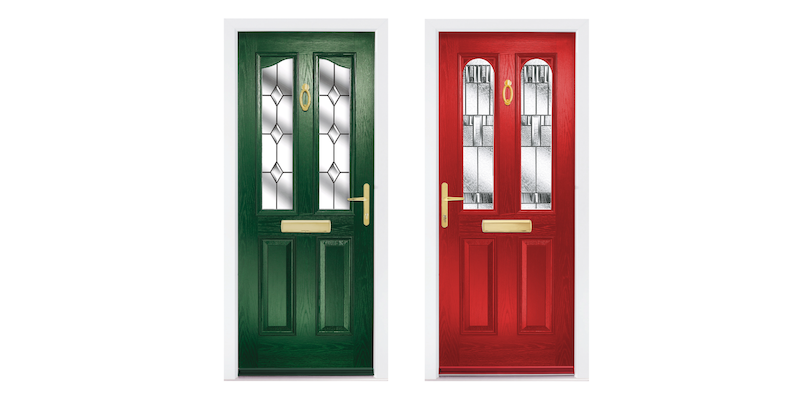
Importance of Composite Door Maintenance
Keeping a composite door is essential for a number of factors:
- Longevity: Regular maintenance can extend the lifespan of the door, ensuring it lasts many years without replacement.
- Visual Appeal: A well-kept door enhances the home’s curb appeal and reflects the property owner’s attention to detail.
- Security: Proper maintenance helps preserve the stability of the door’s locks and hinges, providing assurance versus possible break-ins.
- Energy Efficiency: A well-sealed door assists prevent drafts, adding to lower energy bills by preserving preferred indoor temperature levels.
Necessary Maintenance Tips for Composite Doors
1. Regular Cleaning
Cleaning is the foundation of composite door maintenance. Here’s how to do it efficiently:
- Frequency: At least two times a year, or more frequently if the door is exposed to extreme weather.
- Products Needed:
- Mild soap or cleaning agent
- Warm water
- Soft fabric or sponge
- Non-abrasive cleaner (for tough discolorations)
Steps for Cleaning:
- Mix the soap or cleaning agent with warm water in a pail.
- Utilize a soft cloth or sponge to clean down the door, ensuring to clean both the surface and nooks.
- Rinse the door thoroughly with clean water to eliminate any soap residue.
- Dry the door with a clean, dry fabric to avoid water areas.
2. Inspect and Maintain Seals
The seals around the door are vital for insulation and preventing drafts. To keep them:
- Inspect: Check seals for any fractures or damage.
- Lubricate: Use silicone spray or a comparable lube on rubber seals to preserve versatility.
- Replace: If seals are damaged beyond repair, change them to guarantee energy performance.
3. Inspect Hardware
The hardware of the door, such as locks, hinges, and manages, needs routine checks:
- Tighten: Ensure screws and bolts are tight to avoid loosening over time.
- Oil: Apply a light oil or lubricant on locks and hinges to make sure smooth operation.
- Test Lock Functionality: Regularly evaluate the locks to make sure they engage and disengage smoothly.
4. Paint and Finish Care
While composite door fix doors are created to stand up to the components, they still gain from a fresh coat of paint or finish:
- Choose the Right Paint: If the door requires painting, select top quality outside paint appropriate for composite materials.
- Touch-ups: Periodically inspect for scratches and chips, performing touch-ups as required to safeguard the door’s surface area.
5. Seasonal Checks
Seasonal inspections permit house owners to deal with problems before they escalate:
- Winter: Check for any snow or ice accumulation around the door that could damage seals.
- Summertime: Inspect for sun damage and make sure the door isn’t warping due to heat.
- Rainy Season: Look for signs of moisture invasion or rot.
Common Issues with Composite Doors
Regardless of their durability, composite doors can deal with numerous typical problems:
- Fading: Over time, direct exposure to sunshine can trigger the color of the door to fade, requiring a fresh coat of paint or a replacement.
- Misalignment: Doors may become misaligned due to settling or seasonal modifications; adjustments may be needed to ensure proper sealing.
- Condensation: Moisture in between the panels can happen in damp conditions, showing a prospective seal failure.
Frequently Asked Questions about Composite Door Maintenance
Q1: How often should composite doors be painted?
A: Ideally, composite doors should be repainted every 5-10 years, depending on direct exposure to sunlight and weather. Regular touch-ups of any scratches or chips can extend the need for a complete repaint.
Q2: Can I use abrasive cleaners on my composite door?
A: No, abrasive cleaners can scratch and damage the surface of a composite door. It is advisable to use moderate, non-abrasive cleaners to avoid destroying the finish.
Q3: What should I do if my composite door is sticking?
A: If your composite door sticks, check for misalignment or debris in the hinges. Tightening up screws, lubing hinges, or using a level to examine positioning might help. If the issue continues, consider seeking advice from a professional.
Q4: How can I prevent my composite door from fading?
A: To avoid fading, frequently clean the door and consider applying UV-resistant spray or paint. Furthermore, positioning a protective awning or providing shade can reduce direct sunshine exposure.
Q5: Are composite doors energy efficient?
A: Yes, composite doors are extremely energy-efficient due to their multi-layer building and construction, which supplies exceptional insulation compared to standard wooden or metal doors.
A composite door is a financial investment that can raise a home’s security, energy efficiency, and visual appeal. To optimize this financial investment, routine maintenance is important. Property owners must embrace a proactive method to the upkeep of their doors, guaranteeing they remain practical and aesthetically appealing for several years to come. Following the suggestions detailed in this guide can help keep the integrity and charm of composite doors, ultimately boosting the value and convenience of the home.