

Composite Door Refurbishment Services
FollowOverview
-
Founded Date July 4, 1994
-
Sectors Customer Service
-
Posted Jobs 0
-
Viewed 14
Company Description
Composite Door Lock Replacement Tips That Will Revolutionize Your Life
Composite Door Lock Replacement: A Comprehensive Guide
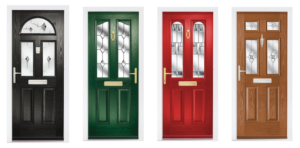
Composite doors, understood for their toughness and aesthetic appeal, are a popular choice for homeowners wanting to boost both the security and the curb appeal of their residential or commercial properties. Nevertheless, like any other component of a home, the locks on composite doors can use out with time or end up being damaged, demanding replacement. This short article supplies an in-depth guide on how to replace a composite door lock, guaranteeing that house owners can undertake this task with self-confidence and performance.
Comprehending Composite Doors
Before delving into the replacement process, it’s essential to understand the unique characteristics of composite doors. Composite doors are made from a combination of products, generally consisting of wood, plastic, and sometimes metal. This blend of materials uses boosted durability, insulation, and resistance to weathering. The locks on composite doors are often more robust and sophisticated than those on traditional wood doors, making them a vital element in home security.
Tools and Materials Needed
To change a composite door lock, you will need the following tools and products:
- New lock set: Ensure it works with your composite door.
- Screwdriver set: Both flathead and Phillips.
- Drill and drill bits: For producing brand-new holes if needed.
- Measuring tape: To measure the existing lock and guarantee the new one fits.
- Pencil: For marking measurements and drilling points.
- Sculpt: For increasing the size of or developing brand-new holes.
- Energy knife: For trimming any excess material.
- Lock lubricant: To make sure smooth operation of the new lock.
Step-by-Step Guide to Replacing a Composite Door Lock
-
Prepare the Workspace
- Clear the area around the door to guarantee you have adequate space to work.
- Eliminate any ornamental trim or hardware that might disrupt the replacement process.
-
Remove the Old Lock
- Exterior Handle: Use a screwdriver to get rid of the screws holding the exterior handle in place. Pull the handle far from the door.
- Interior Handle: Similarly, eliminate the screws from the interior handle and pull it far from the door.
- Lock Cylinder: If the old lock has a separate cylinder, remove the screws securing it to the door and pull it out. If it’s integrated with the handle, it needs to come out with the handle.
- Lock Mechanism: Remove the screws holding the lock mechanism in place. Move the lock out of the door.
-
Step and Prepare for the New Lock
- Step the Existing Holes: Use a determining tape to identify the size and position of the existing holes. This will help you select a suitable new lock set.
- Mark the New Holes: If the brand-new lock needs different hole placements, utilize a pencil to mark the new positions on the door.
- Drill New Holes: Use a drill and the suitable drill bits to produce brand-new holes. For bigger holes, you may need to utilize a chisel to expand the existing ones.
-
Set Up the New Lock
- Lock Mechanism: Insert the brand-new lock mechanism into the door and secure it with screws.
- Lock Cylinder: If the new lock has a different cylinder, insert it into the door and secure it with screws.
- Exterior Handle: Align the new exterior handle with the holes and insert the screws. Tighten the screws to secure the handle.
- Interior Handle: Repeat the process for the interior handle, guaranteeing it aligns with the exterior handle and the latch system.
- Check the Lock: Turn the handles and test the lock to guarantee it operates efficiently. If it feels stiff, use a percentage of lock lube.
-
Final Touches
- Reattach Trim and Hardware: Replace any decorative trim or hardware that was gotten rid of.
- Check the Door: Open and close the door several times to make sure the new lock is operating correctly which the door lines up correctly in the frame.
Frequently asked questions
Q: Can I change a composite door lock myself, or should I hire a professional?A: While changing a composite door lock is a job that numerous homeowners can undertake with the right tools and guidance, it can be more complex than changing a lock on a traditional wood door. If you are not positive in your capabilities or if the lock is part of a sophisticated security system, it may be smart to hire a professional locksmith professional.
Q: What should I look for when choosing a brand-new lock for my composite door?A: When choosing a brand-new lock, think about the following:
- Compatibility: Ensure the new lock works with your composite door.
- Security Features: Look for locks with high-security functions such as deadbolts, anti-pick mechanisms, and strengthened cylinders.
- Sturdiness: Choose a lock made from high-quality materials to ensure durability.
- Aesthetic appeals: Select a lock that matches the design and finish of your composite door.
Q: How typically should I replace the lock on my composite door?A: The life expectancy of a lock can differ depending upon usage and maintenance. Usually, it’s a great idea to replace a lock every 5-10 years or faster if you see indications of wear, such as difficulty in turning the key or a loose handle.
Q: Can I utilize a standard lock on a composite entrance door repair door?A: While basic locks can be used on composite doors, it’s suggested to utilize locks particularly developed for composite doors. These locks are generally more robust and much better suited to the unique building and construction of composite doors.
Replacing a composite door lock is a job that can considerably boost the security and functionality of your home. By following the steps outlined in this guide and utilizing the right tools and materials, homeowners can effectively undertake this task. Whether you select to do it yourself or employ a professional, making sure that your composite door lock is in great working condition is a crucial action in preserving the security and security of your home.
By taking the time to comprehend the procedure and making notified choices, you can enjoy the comfort that features a secure and well-maintained composite door.