

Buying Oven
FollowOverview
-
Founded Date March 26, 1913
-
Sectors Publishing
-
Posted Jobs 0
-
Viewed 15
Company Description
3 Common Causes For Why Your Hobs And Ovens Isn’t Working (And How To Fix It)
Understanding Hobs and Ovens: A Comprehensive Guide for Cooking Enthusiasts
The kitchen is often considered as the heart of the home, where cooking creations come to life. 2 essential elements of any kitchen are the hob and the oven. While they are both vital for food preparation and cooking, numerous property owners might not completely understand the distinctions, performances, and numerous types offered in the market today. In this post, we will check out these home appliances in information, helping you make notified decisions for your cooking needs.
Tabulation
- What is a Hob?
- 1.1 Types of Hobs
- 1.2 Benefits of Different Hob Types
- What is an Oven?
- 2.1 Types of Ovens
- 2.2 Benefits of Different Oven Types
- Selecting the Right Hob and Oven for Your Kitchen
- Frequently Asked Questions (FAQs)
- Conclusion
What is a Hob?
A hob, typically referred to as a cooktop, is a cooking surface area that you position pots and pans on to prepare food. It includes a range of heating elements and is often installed on counter tops. In contemporary kitchens, hobs can be found in various styles, technologies, and functionalities.
1.1 Types of Hobs
There are several kinds of hobs offered in the market:
| Type | Description |
|---|---|
| Gas Hob | Uses burner for cooking, using exact temperature control. |
| Electric Hob | Runs using electrical heating aspects, typically seen in strong or radiant types. |
| Induction Hob | Uses magnetic fields to heat pots and pans straight, promoting energy effectiveness. |
| Ceramic Hob | Functions a smooth glass top, utilizing electric coils below the surface. |
| Strong Plate Hob | Standard electric hobs with exposed metal plates that warm up. |
1.2 Benefits of Different Hob Types
-
Gas Hobs:
- Quick heating and cooling.
- Visual flame control for precise cooking.
-
Electric Hobs:
- Even heating; perfect for simmering and boiling.
- Easy to clean up, specifically flat surface areas.
-
Induction Hobs:
- Energy-efficient as only the pot heats up.
- Security features, such as automatic shut-off.
-
Ceramic Hobs:
- Attractive aesthetic appeals with a smooth surface.
- Even surfaces for simple cleaning.
-
Strong Plate Hobs:
- Cost-effective and resilient.
- Good for standard cooking needs.
What is an Oven?
An oven is a kitchen device used for baking, roasting, and broiling food. Ovens can be standalone units or built into kitchen cabinetry, offering various cooking methods that can boost or transform components.
2.1 Types of Ovens
Comparable to hobs, there are several types of ovens, each with its advantages:
| Type | Description |
|---|---|
| Standard Oven | Runs with heating aspects, best for baking. |
| Stove | Uses fans to flow hot air, cooking food uniformly and quickly. |
| Microwave Oven | Cooks food utilizing electro-magnetic radiation; suitable for reheating. |
| Steam Oven | Uses steam to prepare food, preserving wetness and nutrients. |
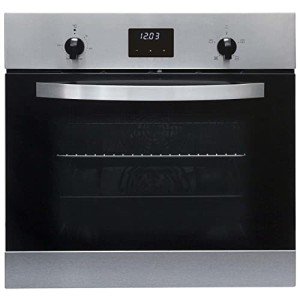
| Wall Oven | Built into the wall, using convenience and visual appeal. |
2.2 Benefits of Different Oven Types
-
Conventional Ovens:
- Simple to utilize without any complex settings.
- Versatile for numerous cooking techniques.
-
Convection Ovens:
- Faster cooking times due to air circulation.
- Improved browning and crisping for baked products.
-
Microwave Ovens:
- Quick cooking or reheating of food.
- Energy-efficient for low-volume cooking.
-
Steam Ovens:
- Health-conscious cooking that retains nutrients.
- Exceptional for baking bread and cooking veggies.
-
Wall Ovens:
- Convenient positioning; saves space.
- Less flexing needed to access cooking meals.
Choosing the Right Hob and Oven for Your Kitchen
When choosing a hob and oven, factors such as area, cooking design, and individual preferences should be thought about. Here’s an easy guide to assist you select:
Factors to Consider
- Cooking Needs: Evaluate your cooking practices. Do you frequently bake, or is stovetop cooking more common?
- Space Availability: Measure your readily available kitchen space. Some hobs or ovens might need more room than others.
- Fuel Type: Decide between gas and electric, based on accessibility and personal choices.
- Budget plan: Determine what you’re ready to spend and find alternatives within that variety.
Quick Tips
- Prioritize Efficiency: Look for energy-efficient designs to decrease long-lasting expenses.
- Check out Reviews: Explore user reviews to gather opinions on performance and dependability.
- Speak with Professionals: Seek guidance from kitchen style specialists when preparing your layout.
Frequently Asked Questions (FAQs)
1. What is the distinction between a hob and an oven?
A hob is a cooking surface area normally for stovetop cooking, while an oven is an enclosed area utilized for baking, roasting, and broiling food.
2. Can I use any pot on an induction hob?
No, induction hobs need magnetic pots and pans. Stainless steel and cast iron pots work, however non-magnetic products like aluminum won’t.
3. How do convection ovens vary from standard ovens?
Convection ovens employ fans to distribute hot air for even cooking, whereas standard ovens do not have this function.
4. Is it possible to have both a hob and oven as a single system?
Yes, there are range cookers that integrate a hob and an oven within one appliance, providing an extensive cooking solution.
5. How do I clean my hob and oven?
A lot of hobs and ovens have actually suggested cleaning techniques depending on their materials. It is advisable to seek advice from the maker’s directions for the best practices.
Understanding the differences between hobs and ovens is vital for anybody seeking to enhance their kitchen space or improve their cooking abilities. By knowing the various types, their benefits, and how to choose the best ones for your requirements, cooking can end up being a more enjoyable and effective experience. Whether you are a skilled chef or a newbie cook, the ideal combination of hob and oven can elevate your culinary productions to new heights.