

Buy Uk Drivers License
FollowOverview
-
Founded Date November 2, 1926
-
Sectors Construction
-
Posted Jobs 0
-
Viewed 14
Company Description
What’s The Job Market For Buy Drivers License Professionals Like?
Understanding the Process of Obtaining a Driver’s License: An In-Depth Guide
Obtaining a driver’s license is often seen as a rite of passage for numerous people. It represents not only the capability to operate a lorry legally however also the newfound self-reliance that comes with it. However, the process of getting a driver’s license can differ significantly based upon geographic place, age, and personal circumstances. This post supplies an extensive introduction of how to obtain a driver’s license, what paperwork is needed, and responses to frequently asked questions.
Steps to Obtain a Driver’s License
The procedure usually involves several actions, which may vary depending on local policies and the type of driver’s license sought. Below are the basic steps one may follow:
1. Identify Eligibility
Before embarking on the journey to get a driver’s license, people ought to initially identify their eligibility based on numerous requirements, which might include:
- Age Requirement: Most places have a minimum age requirement, frequently ranging from 16 to 18.
- Residency: Applicants need to be citizens of the state or area where they are using.
- Legal Status: Ensure all paperwork complies with regional laws.
2. Complete a Driver’s Education Course
Many states require new drivers to finish a driver’s education course, particularly for those under the age of 18. These courses typically cover the following:
- Traffic laws and policies
- Defensive driving methods
- Threat recognition
3. Obtain a Learner’s Permit
When the educational requirements are fulfilled, a candidate can make an application for a learner’s authorization. This allows for monitored driving while practicing skills. The steps to obtain a student’s permit usually include:
- Submitting an application
- Passing a written understanding test
- Paying suitable fees
4. Practice Driving
With a student’s authorization in hand, new buy drivers License need to log a particular variety of hours of practice driving, frequently under the supervision of a licensed grownup. This practical experience is important for building confidence and proficiency behind the wheel.
5. Set Up a Driving Test
After satisfying the practice requirements, individuals can set up a driving test. The driving test typically includes:
- A lorry security assessment, confirming that the automobile is roadworthy
- Maneuvers such as turning, parallel parking, and obeying traffic signals
- A presentation of defensive driving strategies
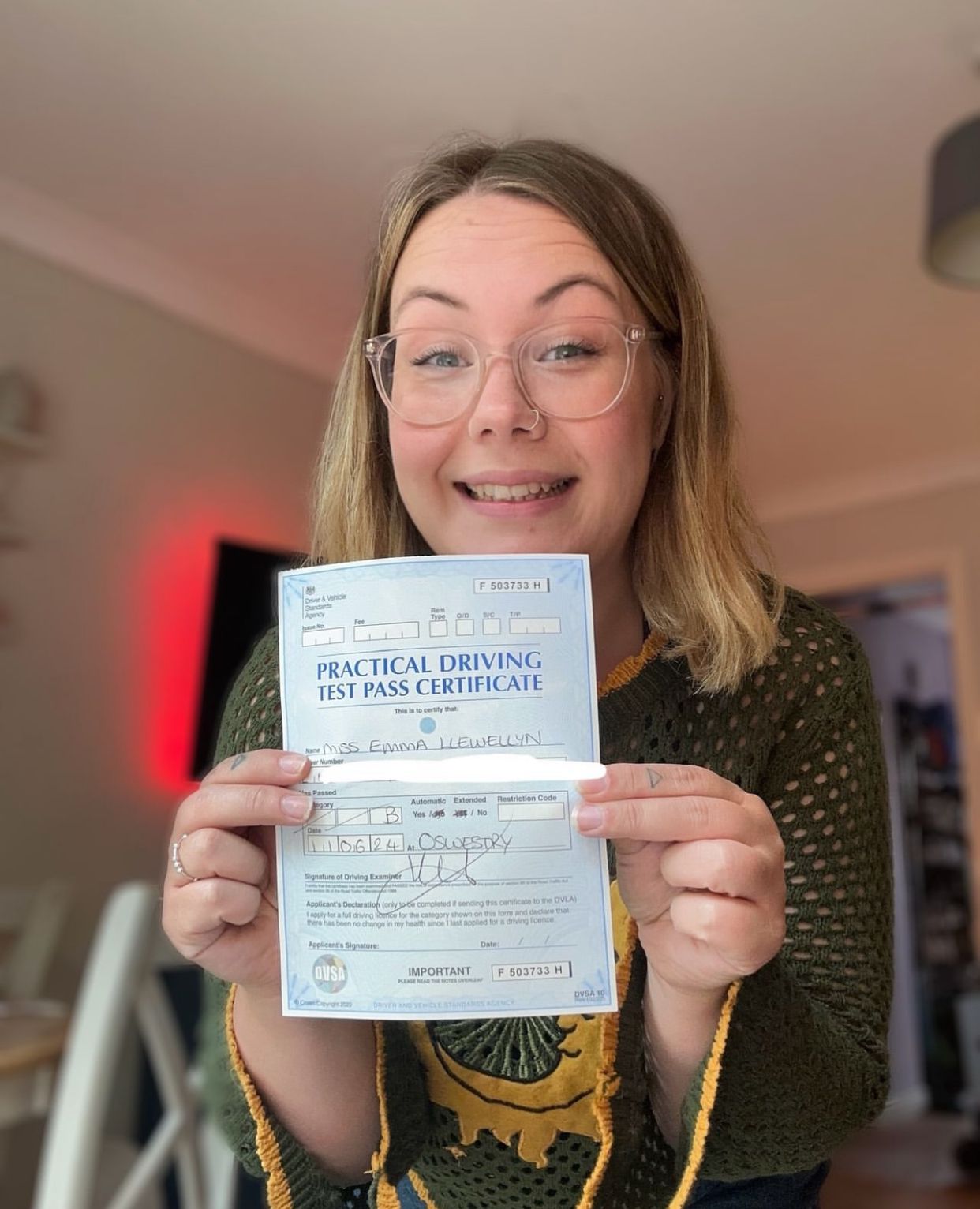
6. Get the Driver’s License
Upon effectively passing the driving test, candidates can obtain their driver’s license. The requirements for acquiring the license may include:
- Submission of essential files (evidence of identity, residency, etc)
- Payment of licensing charges
- Issuance of a provisional or complete license depending on age and driving experience
7. Familiarize Yourself with Driving Regulations
Having acquired a driver’s license, it’s necessary to stay informed about regional driving laws, regulations, and any modifications that might occur. Awareness of laws referring to speeding, driving under the influence, and seatbelt use can avoid future legal issues.
Documents Required to Obtain a Driver’s License
The paperwork required during the application procedure can differ by area, but generally consists of:
- Proof of Identity: This may include a birth certificate, passport, or social security card.
- Evidence of Residency: Documents like energy bills or bank declarations revealing the candidate’s name and address.
- Completion Certificate: Proof of completion for a driver’s education course, if appropriate.
- Learner’s Permit: If the candidate is transitioning from a learner’s license.
Common FAQs
1. For how long is a driver’s license legitimate?
The credibility duration for a driver’s license varies by jurisdiction. In lots of locations, licenses should be restored every 4 to 8 years. Inspect regional regulations for specific details.
2. What should I do if I fail the driving test?
If you stop working the driving test, stay calm. Each state usually enables retaking the examination after a set waiting duration. Utilize the time to practice and strengthen your skills.
3. Can I drive with a learner’s license?
Yes, however only when accompanied by a licensed grownup who satisfies specific requirements, such as being over a specific age and having a legitimate driver’s license.
4. Exist extra requirements for commercial licenses?
Yes, individuals seeking a commercial driver’s license (CDL) should undergo extra training and screening specific to the type of lorry they mean to operate, including specific medical requirements.
5. What are the restrictions on a provisionary license?
Provisionary licenses typically include certain restrictions, such as limits on nighttime driving or carrying passengers. Familiarize yourself with these rules to prevent penalties.
6. How can I prepare for the written understanding test?
To get ready for the written understanding test, study your state’s driver handbook, take practice tests readily available through various online platforms, and consider registering in a driver’s education course if you have refrained from doing so currently.
Obtaining a driver’s license is a significant turning point that requires cautious preparation and adherence to regional policies. By comprehending the actions included, collecting the required documentation, and staying informed about driving laws, possible drivers can navigate this process efficiently. As more individuals take to the roads, knowing the requirements and knowing security measures becomes increasingly vital. With thorough practice and awareness, the journey from student’s license to full-fledged driver can be a fulfilling experience, representing both freedom and responsibility.